T-bone Accidents and Right of Way: Who Pays?
What a T-bone Collision Tells You About Fault
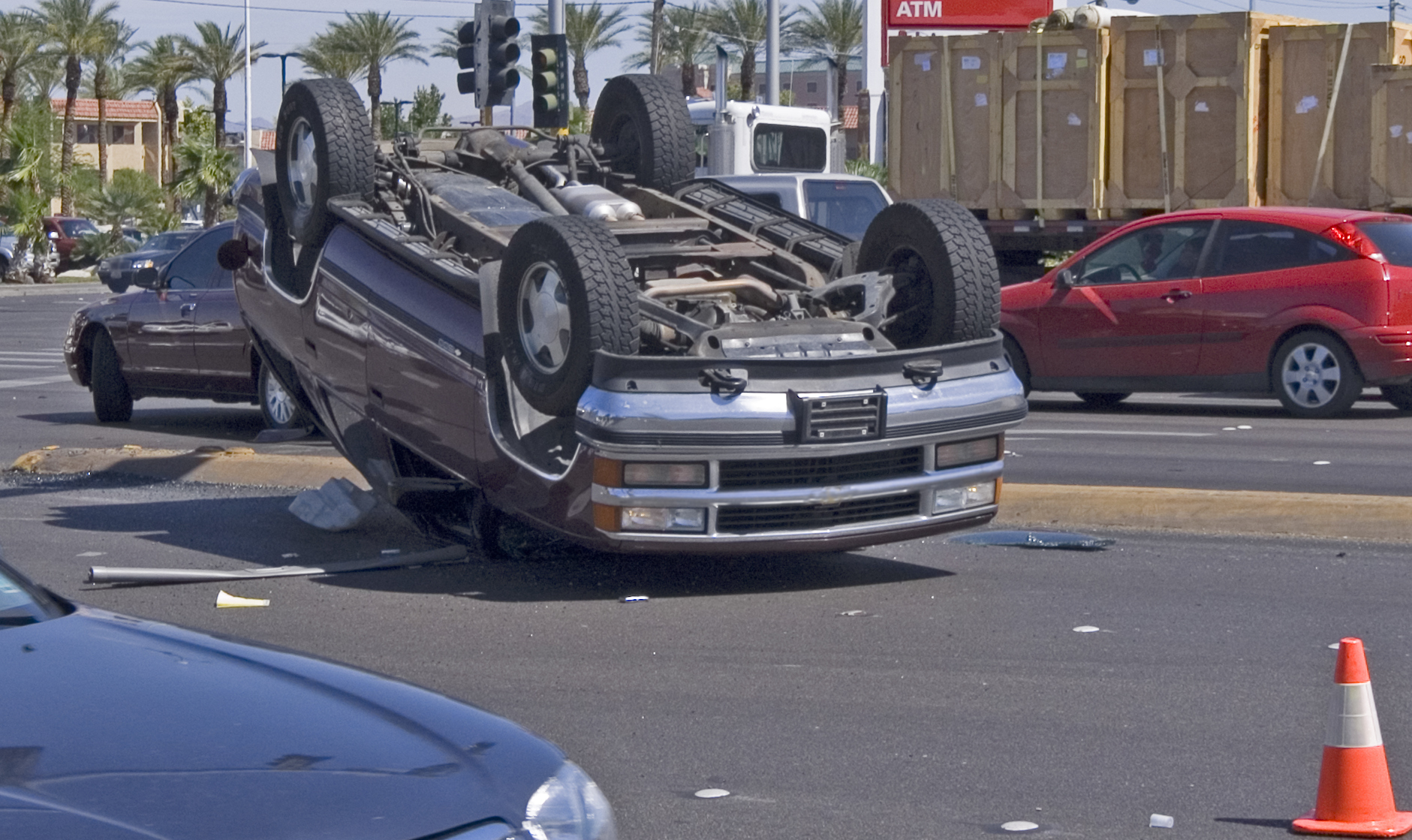
In a T-bone crash, one vehicle hits the side of another, forming a shape like a "T." These accidents usually happen at intersections when a driver runs a red light or fails to yield. The impact direction often leaves the struck vehicle with heavy side damage. For anyone hurt in such a crash, knowing how traffic signals and right-of-way rules affect accident liability is the first step to understanding their legal options.
How Right-of-Way Rules Assign Blame
Right of way is not a physical thing you can hold. It is a set of rules that tell drivers who should go first. At a signalized intersection, a green light gives a driver the right to proceed. A red light means stop. When a driver enters an intersection on a red, they have violated that driver's right of way. In a T-bone collision, the driver who failed to obey the signal is almost always at fault. But real accidents are rarely that clean.
Sometimes both drivers have a green light. That happens at intersections where one driver is turning left and the other is going straight. The turning driver must yield to oncoming traffic. If they turn into the path of a straight-moving car, the side impact can look like a T-bone. Fault then falls on the turning driver. The same logic applies at stop signs. The driver who arrives first may proceed first. A driver who rolls through a stop sign and gets hit has likely violated the other driver's right of way.
Why Intersection Type Matters
Not all intersections work the same way. A four-way stop works differently from a signal-controlled intersection. At an unmarked intersection with no signs or signals, California law says the driver on the left must yield to the driver on the right. That rule can shift fault in a T-bone crash. If both drivers claim they had the right of way, the physical evidence often tells the story.
Vehicle damage patterns are a key piece of that evidence. The point of impact on each car can show which driver was struck and which driver did the striking. A car hit on the side was likely the one that had the right of way, because the other driver drove into its path. But damage alone is not proof. A driver who suddenly swerved into an intersection can still be at fault even if they were hit on the side.

How Black Box Data Helps Reconstruct the Crash
Many modern cars have event data recorders, sometimes called black boxes. These devices record speed, braking, steering angle, and whether the driver applied the brake before impact. In a T-bone accident, that data can show if the at-fault driver ran a red light or failed to slow down. It can also show if the other driver had time to react but did not. That second point matters because California follows comparative fault rules.
Comparative fault means that more than one driver can share blame. If Driver A runs a red light but Driver B was speeding, Driver B may also bear some fault. The court or insurance adjuster assigns a percentage of fault to each driver. That percentage directly reduces the compensation the injured person can recover. For example, if the victim is 20 percent at fault, their damages are reduced by 20 percent. Understanding how traffic signals and right-of-way rules affect accident liability helps victims see why fault is not always a simple yes or no.
What the Injured Driver Should Do Right After the Crash
After a T-bone collision, the first priority is medical care. Even if injuries seem minor, adrenaline can mask pain. The second priority is preserving evidence. That means taking photos of the intersection, the traffic signal, the damage to both vehicles, and any skid marks. Witnesses can also help. Their statements may confirm who had the green light. The police report will note the officer's opinion on fault, but that opinion is not the final word. Insurance companies and courts make the final decision based on all the evidence.
How Insurance Companies Handle T-bone Claims
Insurance adjusters look at the same evidence a lawyer would. They review the police report, the damage pattern, and any witness statements. They also consider the black box data if it is available. In a T-bone accident, the adjuster will ask: who had the right of way? If the answer is clear, the at-fault driver's insurance pays. But if fault is shared, the adjuster will negotiate a percentage split. That is where having legal representation can make a difference.

The Jagroop Law Office, Inc. helps Union City car accident victims understand their rights and pursue compensation for injuries and losses. When fault is disputed, an attorney can review the evidence and argue for a fair share of fault. Without that advocacy, the insurance company may assign a higher percentage of fault to the injured driver, reducing their payout.
What Comparative Fault Means for Your Case
Comparative fault can feel unfair to someone who was injured through no fault of their own. But the law allows multiple causes for a single accident. If the injured driver was talking on the phone, speeding, or driving without headlights at night, those actions can contribute to the crash. The other driver's fault does not vanish. It just gets shared. The key is to show that the injured driver's actions were not the main cause.
Evidence like black box data can help. If the data shows the injured driver was traveling at a safe speed and had the green light, their fault percentage will be low or zero. If the data shows they were speeding, their fault percentage may rise. An attorney can work with accident reconstruction experts to interpret that data and present it in the best light for the victim.
Common Mistakes After a T-bone Accident
- Admitting fault at the scene. Even saying "sorry" can be used against you later.
- Not seeking medical attention right away. Delaying treatment can make injuries seem less serious.
- Accepting the first settlement offer from an insurance company. The offer may not cover future medical costs.
- Failing to document the scene. Photos and witness contact information can make or break a case.
- Assuming the police report is the final word on fault. It is just one piece of evidence.
The Jagroop Law Office, Inc. advises clients to avoid these pitfalls. A lawyer can handle communication with the insurance company and make sure the victim's rights are protected.
When You Need a T-bone Accident Attorney
Not every T-bone crash requires a lawyer. If injuries are minor and fault is clear, the insurance claim may proceed smoothly. But when fault is disputed, injuries are serious, or the insurance company is lowballing the settlement, an attorney can level the playing field. The attorney can gather evidence, negotiate with the adjuster, and file a lawsuit if necessary. In California, the statute of limitations for personal injury claims is generally two years from the date of the accident. Waiting too long can mean losing the right to sue.
Understanding how traffic signals and right-of-way rules affect accident liability gives victims a clearer picture of their case. But the law can be complex, especially when comparative fault enters the picture. A skilled attorney can help victims navigate that complexity and fight for the compensation they deserve.